
Ultimate Guide To Top Concrete Leveling Products For Seamless Surfaces
Find out which products stand out for their performance, ease of use, and long-lasting results in concrete leveling tasks.
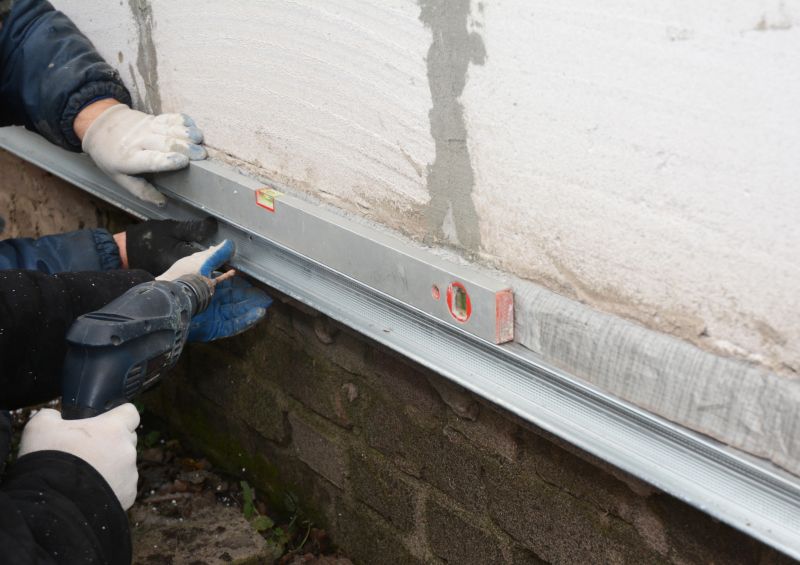 Concrete leveling is an essential process for maintaining the safety, appearance, and functionality of various surfaces around a property. Whether dealing with uneven driveways, cracked patios, or sinking sidewalks, selecting the right products can facilitate effective repairs. The market offers a wide array of solutions designed to address different types of concrete issues, from simple surface patches to more complex sub-surface adjustments. Understanding the available options helps homeowners and contractors choose products that align with their specific needs.
Top Overall Option
Self-Leveling Concrete Compound
A versatile and user-friendly solution suitable for a wide range of leveling needs, this compound offers smooth application and reliable curing, making it a popular choice for both DIY projects and professional repairs.
Types of Products For Concrete Levelings
Self-Leveling Concrete
Designed to create a smooth, even surface, this product is ideal for leveling floors and large slabs with minimal effort.
Polyurethane Foam Injection
Used to lift and stabilize sinking slabs, this foam expands to fill voids beneath the concrete.
Cement-Based Patching Mixes
Suitable for filling cracks and minor surface imperfections, these mixes provide durable repairs.
Hydraulic Cement
Effective for sealing leaks and filling deep cracks, especially in foundations and basement walls.
Epoxy Concrete Repair Kits
Ideal for bonding and filling damaged concrete areas, offering strong adhesion and durability.
Polymer Modifiers
Enhance the flexibility and bonding strength of leveling compounds, suitable for areas with slight movement.
Quick-Set Repair Mortars
Designed for rapid repairs, these mortars set quickly to minimize downtime.
Liquid Leveling Agents
Applied to uneven surfaces to promote self-leveling and smooth finishes.
Fiber-Reinforced Patching Products
Contain fibers to improve crack resistance and structural integrity of repairs.
Waterproofing Sealants
Used alongside leveling products to protect repaired surfaces from moisture ingress.
Underlayment Materials
Provide a stable base for new concrete or flooring installations.
Concrete Resurfacing Products
Create a decorative and level surface, often used for aesthetic improvements.
Void Fillers
Fill gaps beneath slabs to prevent further sinking or shifting.
Polyurea Coatings
Offer rapid curing and high durability for surface protection and leveling.
Structural Repair Epoxies
Reinforce compromised concrete structures and restore load-bearing capacity.
Flexible Sealants
Accommodate slight movements without cracking, ideal for joints and cracks.
Base Stabilizers
Improve subgrade stability beneath concrete slabs for long-term leveling.
Popular Choices
Widely used for lifting sinking slabs, these kits are favored for their ease of use and effectiveness.
Commonly chosen for interior floor repairs, providing a smooth, level surface.
Popular for quick fixes, these kits include epoxy or hydraulic cement for sealing cracks.
Preferred for urgent repairs, these mortars cure quickly to minimize downtime.
Often selected to protect repairs from moisture damage, especially in basements and exterior surfaces.
Chosen for their crack resistance and durability in structural repairs.
Applied to improve appearance and levelness, popular for decorative projects.
Used to stabilize slabs and provide a solid foundation for new concrete or flooring.
Favored for their quick curing and high durability in outdoor applications.
Commonly used for sealing leaks and filling deep cracks in structural elements.
Popular for bonding and restoring damaged concrete surfaces.
Selected for joints and areas with slight movement to prevent cracking.
Chosen to improve subgrade stability and prevent future unevenness.
Many concrete leveling products are formulated for ease of application, allowing users to perform repairs without extensive training or specialized equipment. Commonly used materials include self-leveling compounds, polyurethane foam injections, and cement-based patching mixes. These products vary in consistency, curing times, and suitability for different kinds of cracks or surface irregularities. Proper preparation of the affected area is crucial to ensure optimal results, which often involves cleaning, removing loose debris, and sometimes applying bonding agents.
Safety and durability are important considerations when selecting concrete leveling products. Some formulations are designed to withstand weather conditions and heavy loads, making them suitable for outdoor surfaces exposed to foot or vehicle traffic. Others are intended for interior use or smaller repairs. It is also beneficial to consider the ease of application, cleanup, and whether the product can be used in conjunction with other repair materials. Proper selection and application can extend the lifespan of the repair and improve the overall appearance of the surface.
In La Crosse, WI, residents and professionals alike benefit from understanding the variety of products available for concrete leveling. By choosing appropriate solutions, they can effectively address uneven surfaces, reduce trip hazards, and enhance the value of their property. Consulting product specifications and manufacturer instructions ensures that each product is used correctly, leading to more satisfactory and lasting results.
Key Buying Considerations
- Determine the specific issue type, such as cracks, sinking, or surface unevenness.
- Assess whether the repair is for interior or exterior use, influencing material choice.
- Consider the size and depth of the area needing repair to select appropriate products.
- Review curing times to match project timelines and minimize downtime.
- Check compatibility with existing concrete or repair materials for seamless integration.
- Evaluate the durability and weather resistance of the product for outdoor applications.
- Ensure ease of application, especially if DIY repair is intended.
- Look for products with good adhesion properties to ensure long-lasting repairs.
- Consider the flexibility of the material if the concrete is subject to movement or expansion.
- Review safety instructions and required protective gear during application.
- Analyze the curing or drying conditions necessary for optimal results.
- Check for any additional tools or equipment needed for application.
- Research product reviews and user feedback for insights on performance.
- Verify manufacturer instructions for surface preparation and application procedures.
- Estimate the overall cost, including potential labor or additional supplies.